Inquiry
Form loading...

Blog

Which Garden Furniture Should You Buy in 2026?

Which Garden Furniture Should You Buy in 2026?

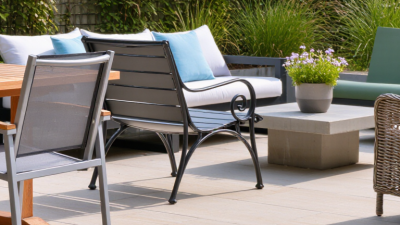
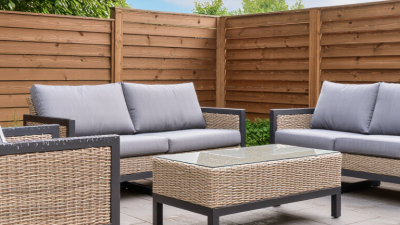
So, what garden furniture should you actually buy in 2026? Honestly, it’s less about chasing the latest look and more about how you really use your outdoor space. Are you someone who’ll eat outside every evening? Or maybe you just want to kick back with a book under a tree. Then again, maybe your chairs are going to end up braving the rain no matter what. Either way, grab a tape measure and check your patio before you start browsing. That table might look small online, but in real life it can totally crowd a narrow path. You know that William Morris quote? The design thinker once said, "Have nothing in your houses that you do not know to be useful or believe to be beautiful." Honestly, the same rule works outside, too. Go for sturdy frames, comfy seats, and materials that can handle whatever your local weather throws at them. And before you commit, check the care instructions and storage requirements—future you will be grateful. The little things count, too: armrests need to clear the table, cushions actually have to dry out completely, and chair legs shouldn't wobble on the paving. Thinking about buying rattan garden furniture? Make sure its finish and construction actually fit your climate and how much upkeep you're willing to do—not just because it photographs well. Honestly, there’s no such thing as the perfect set. You can read tons of glowing reviews and still end up with chairs that feel awful after an hour-long dinner. So if you can, try before you buy. This guide looks at the practical stuff — full dining sets, loungers, benches, little balcony-friendly pieces. It covers upkeep, durability, and whether something’s actually worth the money, and helps separate features you’ll use from trends you’ll forget. And yeah, a little buyer’s remorse is possible, so measure twice, buy once.
Read more »
Ethan By:Ethan - November 7, 2026
7 Best Materials for Garden Furniture for Every Climate

7 Best Materials for Garden Furniture for Every Climate

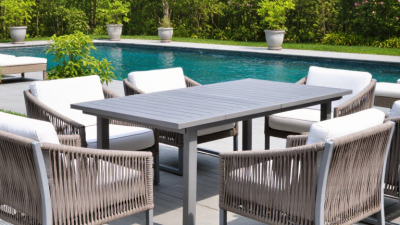
When it comes to picking garden furniture, I think we overthink the whole 'one perfect material' thing. It's really about matching what you choose to your own weather, how much maintenance you can handle, and how you actually use the space. The answer to 'what's the best material?' kind of depends—are you dealing with salty sea air, intense sun, heavy rain, or frost in the winter? Teak can develop that nice weathered look, but it still needs a little TLC now and then. Powder-coated aluminum is nice because it's light and rust-resistant, but heads up: the frame can get pretty hot in direct summer sun. And the little details? They matter more than you'd think. Richard Frinier designs outdoor furniture, and his whole philosophy boils down to something pretty simple: pick pieces that make being outside feel just as thoughtful as being inside. That’s a paraphrase, not an exact quote, by the way. What it really means is comfort and durability go hand in hand. A chair should feel solid on the patio stones, and the cushions shouldn’t stay soggy for hours after a downpour. In this guide, we're comparing seven materials: teak, aluminum, stainless steel, wrought iron, synthetic resin wicker, recycled plastic, and concrete. Honestly, each one comes with its own set of trade-offs. If you live in a damp climate, synthetic wicker is a solid choice—and Best Rattan Garden Furniture often uses a durable resin weave rather than natural rattan, so it holds up better. You know, you really can't judge furniture by looks alone—the weave quality and frame construction can vary a lot from piece to piece. So before you buy, take a closer look at the joints, the finish, how water drains, and what the care instructions actually say. Also, think about where it's going to live: a coastal balcony is a totally different world from a shaded garden, and each one asks something different from your furniture. Even really good materials need a bit of sensible upkeep. Honestly, that's the part people tend to overlook.
Read more »
Nathan By:Nathan - November 2, 2026
Does China Top Plastic Rattan Furniture Last Outdoors?

Does China Top Plastic Rattan Furniture Last Outdoors?

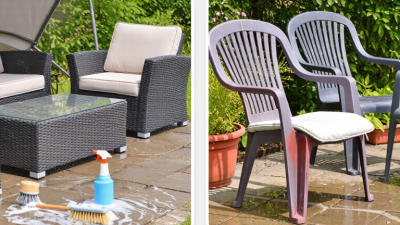
So, does plastic rattan furniture actually hold up outdoors? Well, mostly yes—but honestly, it kinda depends on more than just the woven stuff on the surface. Plastic rattan, which is usually made from polyethylene, can totally handle rain and your everyday backyard use. But here's the thing: if you get harsh sun all the time, the cheaper strands might fade or even get a bit weak over the years. And don't even get me started on the frame—that matters just as much. You know, coated steel? Yeah, that can rust if the finish gets scratched, but aluminum typically avoids that headache altogether. So, before you start comparing prices, make sure you actually check the material details. A low price tag alone really doesn't tell you much, trust me. For Plastic Rattan Garden Furniture, you've really got to pay attention to the details—check the weave, the joints, the feet, and even how it handles water. The strands should feel consistent, with no loose ends or brittle spots. After a rain, the water should drain off, not pool up in the seat. A covered patio helps cut down on exposure, but you still need to dry and store the cushions during long wet spells. It's the little habits that matter most. So you want to keep your furniture looking good? First, just brush off any grit, give it a wipe with mild soapy water, and steer clear of those harsh chemical cleaners—they can really mess up the finish. Honestly, that part's a no-brainer, but here's the thing people tend to forget: even tough furniture can wear out faster than you'd expect if you leave it baking in direct sun all day or right where salt spray hits it. That's something you hardly think about until it's too late. And about that "outdoor-use" claim on the label—yeah, it sounds reassuring, but make sure you actually ask the seller about the resin quality, the frame, UV protection, and what the care instructions really say. Because let's be real, no material is completely maintenance-free, and one brand's "weatherproof" might be another's "fades in a month." Quality really varies between manufacturers, so a little digging up front saves you a headache later. So, you're checking out plastic rattan furniture from China? There are a few things you'll want to look at closely. And about outdoor durability—realistically, what can you expect? That's exactly what we're going to dig into here.
Read more »
Nathan By:Nathan - October 29, 2026
Top 10 Rattan Sofa Tables for Global Buyers

Top 10 Rattan Sofa Tables for Global Buyers

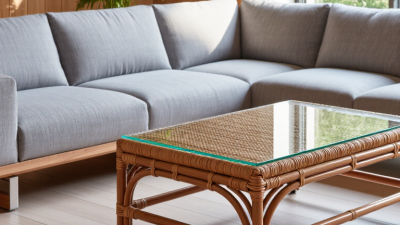
So you're on the hunt for the perfect rattan sofa table, huh? Honestly, it's not just about how that woven surface looks—though it's definitely easy to get pulled in by the charm. If you're buying from overseas, you've gotta dig a little deeper. Check the structure, the finish, the exact dimensions, and don't forget how it's packed for its long journey. And yeah, think about the long haul—will it still hold up after a few seasons? Because here's the thing: a table can look absolutely gorgeous in the showroom, but then you place it next to your big, deep sectional and it feels wobbly or just... off. And trust me, that difference really matters. So take your time—don't just buy on looks alone. Lena Hart, who’s basically a rattan furniture guru, said something that really stuck with me: ‘A strong rattan sofa table should feel light but still handle the daily grind.’ And honestly, that hits the nail on the head for anyone sourcing this stuff. Sure, the design is what catches your eye first, but it’s the build quality that keeps customers coming back. Alright, so we've put together a list of ten rattan sofa tables that we think are worth checking out—whether you're a retailer, a hospitality buyer, or someone planning a residential project. For each one, we looked at how sturdy the frame is, how consistent the weave is, how the tabletop holds up, and whether it can adapt to different styles. Now, the materials can really change the game: you've got natural rattan, engineered wood, glass, and even powder-coated metal—each gives a totally different vibe. One thing we can't stress enough: pay attention to the joints, especially underneath the tabletop and around the legs. That's where the real quality shows. Seriously, details matter. So, we also dig into things like care requirements, how the product's packed, assembly instructions, and our communication with the supplier. Honestly, these are the kinds of details that often slip through the cracks – but they can come back to bite you when it comes to returns, customer reviews, and even your import planning. And let me tell you, a product photo can easily hide uneven weaving or those delicate edges that might not survive the journey. That's exactly why we still insist on getting samples – even when we're dealing with well-known names like Island Living Furniture or Coastal Cane Studio. Look, no single ranking is going to fit every market out there. I mean, think about it—a tiny apartment's coffee table has totally different needs than one in a luxury resort lobby. Some designs might sacrifice storage just to keep that clean, minimalist look, while others pack in more function but maybe don't look as polished. It's a real trade-off, and honestly, it deserves a fair shake before you write it off. So this overview I put together is meant to help buyers around the world weigh looks against practicality. But it also prompts a question that's worth asking: after months of daily use, is this table still going to feel as reliable as it did on day one? That's the real test, right?
Read more »
Ethan By:Ethan - October 26, 2026
Why Choose Weather Resistant Outdoor Sofas?

Why Choose Weather Resistant Outdoor Sofas?

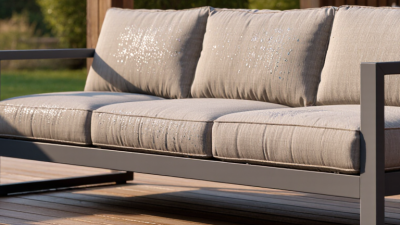
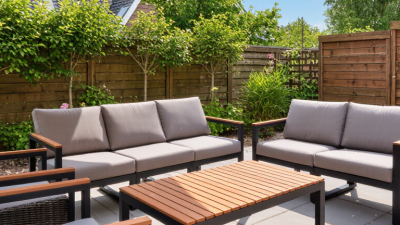
Picking outdoor seating isn't just about how it looks. Sure, a sofa can seem perfect in a showroom—but give it one wet season, and it might fade, stain, or start to weaken. That's why weather-resistant outdoor sofas are built to deal with sun, rain, humidity, and everyday use a lot more reliably. That said, "weather-resistant" doesn't mean it's indestructible. You know, from practical experience, it's usually the small details that end up deciding how comfortable something feels over the long run. So take a close look at the frame—is it powder-coated aluminum, treated hardwood, or some other material rated for outdoor use? Also check the stitching around the cushions and the drainage under the seat. After it rains, water should be able to escape instead of pooling up inside the foam. A tightly woven fabric can help resist splashes, sure, but it still needs cleaning and the occasional bit of protection. And shade helps too, by the way. You know, even really good materials will fade quicker if they're sitting in that afternoon sun all the time. Picking weather-resistant outdoor sofas really comes down to a few things: your climate, how much space you've got, and how much upkeep you're willing to do. If you live by the coast, you'll probably want something with stronger corrosion resistance. Humid garden? Go for cushions that dry quickly. And if you've got pets, take a close look at fabric durability—removable covers are a big plus too. And honestly, a matching weather-resistant chair can really pull the whole setup together. Just don’t let looks win over comfort, though. Sit in it before you buy — check the depth, see how the arm height feels. Honestly, no sofa is really invincible—and yeah, that's pretty easy to forget. Product descriptions can make things sound way more durable than they'll actually be in real life. So before you commit, it's worth checking the care instructions, warranty terms, material specs, and what independent customers have to say. Reliable brands usually explain how the thing is built instead of just tossing out vague promises. And sure, a more thoughtful choice might cost a bit more up front—but it can save you from replacing the same sofa over and over, and it cuts down on waste too. Honestly, good outdoor furniture should be able to handle real life—you know, muddy shoes, sudden rain showers, and those quiet evenings outside.
Read more »
Ethan By:Ethan - October 23, 2026
How To Store Garden Furniture For Winter?

How To Store Garden Furniture For Winter?

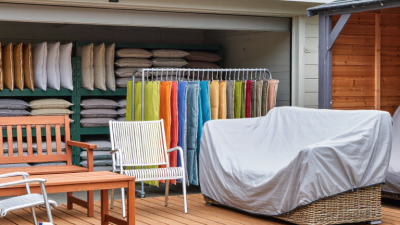
Storing garden furniture properly can save you a lot of headaches—and protect the pieces you actually care about from rain, frost, and freezing temperatures. The best method really depends on what the furniture is made of, how it’s designed, and how much storage space you’ve got. A teak bench needs different care than an aluminum chair or a woven outdoor sofa. Practical prep starts with cleaning every surface. Get rid of soil, leaves, bird mess, and trapped moisture before you put anything away. Let cushions dry completely in a ventilated spot. Damp fabric can go musty within days. Check screws, joints, covers, and drainage points. Small repairs are way easier before winter shows up. And follow the manufacturer’s care instructions, because advice online might sound clever but may not be right for every finish. A dry shed, garage, or covered storage cabinet usually works better than a loose plastic sheet. Keep furniture raised off cold concrete—use wooden blocks or a stable shelf. Don’t wrap damp items tightly. Airflow matters. For bigger pieces, use breathable covers that fit securely without rubbing against sharp edges. Factory Furniture Outdoor Store recommends checking stored furniture after heavy storms, especially when temperatures change quickly. This is easy to forget. It can also show that your storage area isn’t as dry as you thought. A careful seasonal routine cuts down on damage, but no method is perfect. Moisture, pests, and weak covers can still catch you off guard. So jot down what worked this year, then tweak the plan before next winter.
Read more »
Nathan By:Nathan - October 19, 2026
How to Choose the Best Resin Garden Furniture?

How to Choose the Best Resin Garden Furniture?

So, what actually is resin garden furniture—and why is it such a good fit for outdoor living? Picking the right set kind of starts there. Resin garden furniture is made from synthetic polymers molded into chairs, tables, loungers, or woven-style panels. Some pieces mimic natural rattan; others are solid molded resin. Outdoor resin rattan furniture often pairs resin strands with an aluminum frame. That combo can give you a lighter, weather-resistant set for patios, balconies, and poolside spots. Dr. Helen Foster, an independent outdoor-furniture materials consultant, puts it well: “Good resin furniture should resist daily weather, not merely look attractive on the showroom floor.” Fair point. A glossy finish can fade fast if there aren’t UV stabilizers. A pretty woven surface might trap dust between those narrow strands. And those little things? They can turn into daily annoyances. Take a close look at the frame. Powder-coated aluminum usually holds up against rust better than untreated steel. Check the resin’s thickness, drainage openings, weight capacity, and warranty terms too. A chair that feels stable on a calm afternoon may wobble or shift when the wind picks up—easy to overlook. Then think about where you’ll actually use it. A sunny balcony needs stronger UV protection. A damp garden calls for quick-drying cushions and open-weave surfaces. Families might prefer rounded edges and easy-clean finishes. And dark resin can get pretty hot in direct sunlight. Cheapest isn’t always the most economical. That said, the priciest set isn’t automatically better either. Material quality, construction, comfort, and replacement support should guide your decision. Some claims are hard to verify, especially when brands share limited technical data. So compare carefully. A little doubt? That helps.
Read more »
Julian By:Julian - October 15, 2026
What Type Of Garden Furniture Is Best For Any Climate?

What Type Of Garden Furniture Is Best For Any Climate?

Picking outdoor furniture isn’t just about finding cushions that match your patio. Honestly, climate changes everything—how long materials last, how comfortable they feel day to day, and how much upkeep they’ll need. So what type of garden furniture is best? That really depends on sunlight, rainfall, humidity, wind, and the way temperatures shift with the seasons. A balcony in coastal Florida is up against very different conditions than a covered terrace in northern England. When pros test outdoor furniture in real settings, they often look at rust resistance, water absorption, frame strength, and how hot surfaces get. Aluminum tends to do well in wet climates because it doesn’t rust easily. Powder-coated steel can be strong, sure, but if the coating gets damaged, the metal underneath can be exposed. Teak naturally handles moisture, though it still needs some thoughtful care if you want it to keep its original color. High-quality synthetic wicker is another flexible option. Take Best Rattan Garden Furniture—it usually pairs UV-resistant strands with an aluminum frame and quick-drying cushions. Little details matter, too. Before you buy, check drainage holes, stainless-steel fixings, and whether covers are replaceable. Comfort still deserves attention. A chair that feels great in spring can turn uncomfortably hot under strong summer sun. Deep cushions can feel luxurious, but after a heavy rain they dry slowly. This is where product descriptions sometimes sound better than real life. I’d be wary of vague claims like “all-weather” unless there are actual testing details to back them up. Look for recognized material specifications, clear warranties, and care instructions from established manufacturers. Even the best furniture can fail if it’s left uncovered during storms. The most reliable choice balances local weather, available storage, repairability, and everyday use. It may not be perfect. But it should stay useful, safe, and good-looking for many seasons.
Read more »
Julian By:Julian - October 10, 2026
2026 Best Guide Should I Cover Teak Garden Furniture?

2026 Best Guide Should I Cover Teak Garden Furniture?

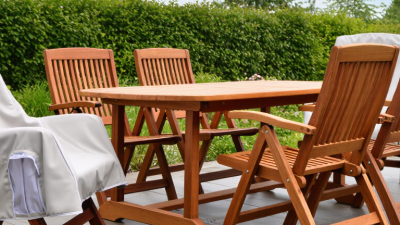
Should I cover teak garden furniture? Honestly, the answer is rarely a simple yes or no. Teak has natural oils and a dense grain, which gives it great resistance to moisture, insects, and general outdoor wear. But even tough teak can run into problems—trapped humidity, mildew, staining, and uneven color changes. A cover does help block bird droppings, tree sap, dust, and rough seasonal weather. The key is that it shouldn't turn into a sealed, damp pocket. The market kind of backs up why this decision deserves some thought. Fortune Business Insights estimated the global outdoor furniture market at around USD 50.7 billion in 2023, and growth is expected to continue through 2032. That says something about how much people are investing in outdoor living spaces, including premium teak furniture. Grand View Research also points to weather resistance and low maintenance as big buying factors. Still, quality varies a lot. A cheap, non-breathable cover can sometimes do more harm than sunlight. For practical care, pick a fitted Outdoor Garden Table Cover made from breathable, water-resistant fabric. Look for ventilation panels, adjustable fasteners, and a soft inner surface. Leave some air space around the table legs, too. After heavy rain, take the cover off and inspect the wood regularly. Forest Stewardship Council guidance also makes timber traceability worth checking when you're buying replacement furniture. And yes—"Forestry Stewardship Council" is the wrong wording; it's Forest Stewardship Council. Small details matter. My take? Be cautious. Cover teak during storms, long storage, pollution, or if there's construction nearby. Avoid covering clean, wet furniture for long stretches. Teak can age beautifully when left uncovered. It can also get neglected fast. This guide walks through when protection helps, when it hurts, and how to choose a safer cover.
Read more »
Julian By:Julian - October 7, 2026
7 Tips How Weatherproof Is Rattan Garden Furniture?

7 Tips How Weatherproof Is Rattan Garden Furniture?

So, you might be wondering—how weatherproof is rattan garden furniture? Well, honestly, it depends on a few things like the material it's made of, how solidly it’s built, and how much exposure it gets daily. Typically, synthetic rattan—usually crafted from polyethylene—holds up better against sun and rain compared to natural rattan. But, let’s be real—no outdoor furniture is completely resistant without a bit of TLC. Water can sneak underneath cushions, and those strong UV rays might fade darker finishes as time goes on. Plus, metal frames can start rusting if moisture gets to any chipped or damaged spots. In this guide, I’m sharing seven practical tips that come from experience and what manufacturers suggest. You’ll learn how to spot weather-resistant materials, protect your furniture from puddles and standing water, and why using covers the right way makes a difference. Also, I’ll mention why good ventilation’s key after big storms. Little things really do add up—like lifting a chair slightly off the ground to prevent damp patches on paving or around the legs. I used to think that a thick cover would keep everything perfectly dry, only to find out that trapped condensation caused mildew beneath it. That was a wake-up call that changed how I take care of my outdoor stuff. And here’s the thing—even weatherproof rattan still needs regular checks, gentle cleaning, and sensible storage during storms or winter months. Make a habit of inspecting joints, drainage holes, cushions, and frames every few weeks. Be careful with harsh chemicals though—they can mess up synthetic fibers or ruin protective coatings. If you have a sheltered patio, your furniture’s lifespan can be much longer, but if you’re in a coastal area with salty air, you’ll need to pay extra attention because salt speeds up rust. Keep in mind, these tips aren't foolproof—they’re meant to help you make smarter choices, avoid common mistakes, and honestly assess whether your furniture can handle whatever the weather throws at it.
Read more »
Julian By:Julian - October 3, 2026
China Top 10 Egg Chair Outdoor Suppliers for Global Buyers?

China Top 10 Egg Chair Outdoor Suppliers for Global Buyers?

Choosing a reliable outdoor egg chair supplier isn’t just about glancing at catalog photos or comparing prices—there’s a lot more to it. Buyers from around the world should really look into things like how much experience the manufacturer has, how they control their materials, their export capabilities, and how well they communicate. In this guide, I’ve looked into ten China-based suppliers based on those practical points. For instance, companies like Artie Garden and Yotrio Corporation show why it’s important to check their product history and how much market experience they’ve got. But hey, just knowing the name isn’t enough. It’s a good idea to ask for the latest product specs—things like frame materials, wicker grades, cushion fabrics, load capacities, packaging details, and quality inspection records. Those little details really do matter. A solid outdoor egg chair should handle sunlight, humidity, regular use, and even long shipping distances without falling apart. To make sure of that, pay attention to the use of powder-coated aluminum, weather-resistant synthetic rattan, stainless steel hardware, and quick-dry cushions. Before placing a big order, it’s smart to check whether samples are consistent. Certifications can help, but they shouldn’t replace independent checks or clear, detailed agreements with the supplier. In this article, I’ve compared ten suppliers based on their product range, ability to customize, production capacity, communication quality, lead times, and after-sales service. I also looked at whether they can serve hotels, retailers, garden centers, or online brands. Keep in mind, rankings can shift, and sometimes the info you find publicly isn’t complete. Plus, how a supplier performs can vary from project to project—that’s just how it is. My goal here isn’t to give you a perfect verdict but to offer practical guidance. Use this shortlist to ask better questions, verify their claims, and reduce the risks involved in your purchase. And remember—finding a beautiful chair is just the first step!
Read more »
Nathan By:Nathan - September 30, 2026
How To Oil Wooden Garden Furniture Properly?

How To Oil Wooden Garden Furniture Properly?

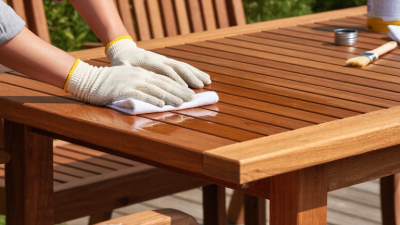
So, you're wondering how to oil your wooden garden furniture? Well, it all starts with a simple question: what does the wood actually need before you crack open that tin? You might see a sun-bleached tabletop, rough armrests, or a grayish patch on a chair—that’s usually a sign of weathering, but not every surface calls for more oil. First things first, give your furniture a good clean, let it dry completely, and then check how the finish looks in a discreet spot. Tiny details like this really make a difference. There’s some solid science behind this, too. The USDA Forest Products Laboratory’s Wood Handbook (FPL-GTR-282, 2021), edited by Robert J. Ross, explains how wood reacts to moisture and changing conditions. The takeaway from that technical stuff? Only apply oil to a clean, dry surface—and always follow the product instructions. As Ross suggests in a nutshell—well, paraphrased here—wood’s moisture content depends on its environment, so your maintenance needs to adapt accordingly. This isn’t a direct quote, but understanding that makes a big difference. When it’s time to oil, grab a lint-free cloth or a suitable brush, and don’t just slap on the oil—make sure to wipe away any excess to avoid that shiny, drippy look. It’s a good idea to test on a small, hidden patch first. Sometimes, especially with older wood, you might notice uneven coverage—that’s just the finish showing wear or differences in how the wood absorbs oil. Patience is key—don’t rush the drying process. Proper care is especially important if you’re dealing with something like luxury wooden outdoor furniture. While oiling helps protect the grain, it’s not a magic fix for permanent protection. This guide walks you through how to properly oil your wooden garden furniture—covering everything from prep work and application to drying and avoiding common mistakes. And here’s a little friendly reminder: sometimes, the best thing you can do is stop, take a moment to inspect, and then decide what’s next. Happy wood caring!
Read more »
Nathan By:Nathan - September 26, 2026
How To Protect Garden Furniture From Rust Outdoors

How To Protect Garden Furniture From Rust Outdoors

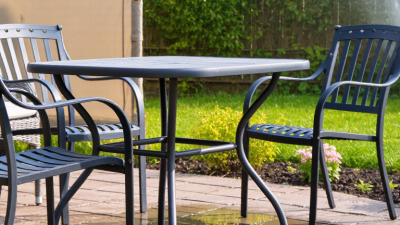
Adding outdoor metal furniture to your garden can really give it that nice structure and boost comfort, right? But here's the thing—moisture can sneak in and cause rust, even under the paint, around joints, or at chair feet, and it often happens quietly. So, if you want to keep your outdoor setup looking good, start by paying attention to where water tends to pool. Check those welded seams, screw heads, drainage holes, and places where the furniture touches damp soil. A dry surface really is your best first defense. Before doing anything else, give your furniture a gentle clean with some mild soap. After that, grab a wire brush or a fine abrasive pad to scrub away any loose rust. Make sure everything’s completely dry before you proceed with applying a rust-inhibiting primer and weatherproof metal paint. Don’t forget to peek into those hidden edges—they often start to deteriorate before anything else. Using weather-resistant covers is smart, but it's pretty important to leave some ventilation underneath so moisture doesn’t get trapped and cause more rust. And whenever you can, move your tables and chairs away from sprinklers, dripping gutters, or puddles—anything that might keep them wet. Now, if you've got rattan furniture, it needs a bit different care. For protecting rattan outdoor furniture, it’s good to brush off leaves, give it a gentle wash, and avoid storing wet cushions right against the frame. Natural rattan, in particular, should stay sheltered from rain to prevent damage. As for synthetic rattan, it still needs protection, especially that metal frame inside. During the winter months, it’s a good idea to keep your furniture in a dry, well-ventilated spot or lift it off the ground if you can. If you notice small scratches, patch them up early—waiting too long makes things worse, though full prevention can be tough in really harsh weather. I personally find that taking just five minutes for regular inspections works way better than trying to do everything in one big seasonal fix. Rust might come back—that’s not a failure, just a reminder to improve drainage, covers, and maintenance habits. The key is consistent, practical care instead of relying on one pricey product to do all the work for you.
Read more »
Ethan By:Ethan - September 22, 2026
7 Best Types of Garden Furniture for Global Buyers

7 Best Types of Garden Furniture for Global Buyers

These days, outdoor living isn’t just about summer patios anymore. People expect their garden furniture to look good and perform well no matter where they put it—whether it's on a balcony, rooftop, poolside, or even in a commercial hospitality setting. According to Grand View Research, the market for outdoor furniture is steadily growing, helped along by urban living, the tourism industry, and just folks really digging outdoor spaces. Plus, Fortune Business Insights points out that weather-resistant materials and modular designs are trending. Basically, when you're choosing products, looks aren’t everything—you’ve gotta think about durability too. So, figuring out what type of garden furniture is best really depends on your climate, space, how much time you're willing to spend maintaining it, and why you're buying in the first place. For example, teak wood is super durable naturally and gives a warm, classic look, while powder-coated aluminum is lightweight and handles weather like a champ. Synthetic rattan stays popular because it has that woven look and can be styled in lots of ways. But be careful—sometimes those pretty surfaces hide weak spots, especially in the joints. When shopping for the best rattan furniture, check that it uses UV-stable polyethylene, rust-resistant hardware, and has tight finishes. Little details like these really matter. Comfort is just as important. If you’re doing some serious shopping, I’d suggest comparing things like seat depth, cushion firmness, drainage, how well the packaging protects the furniture during shipping, and whether spare parts are easy to find. Honestly, these small factors affect customer happiness way more than how the furniture looks in photos. Brands like SGS and Intertek do testing to check durability, coatings, and safety, though the exact requirements can vary depending on your market. Always ask suppliers for up-to-date test reports, detailed material info, and clear care instructions. If you're considering timber, FSC certification can be a good sign that it was responsibly sourced, but you should still verify those claims. No material is perfect for every environment—salt air, intense sun, freezing cold, or careless storage can all expose weaknesses. Picking the right furniture is really about balancing design, long-term costs, how easy it is to repair, and trusting the supplier’s track record—not just following the latest trends.
Read more »
Nathan By:Nathan - September 19, 2026
7 Best Ways to Store Garden Furniture?

7 Best Ways to Store Garden Furniture?

Your garden furniture is up against all sorts of stuff—rain, dust, sunlight, insects, and those sudden temperature swings, all year round. So, knowing how to store it properly is a game-changer. It helps protect the frames, cushions, finishes, and moving parts, and honestly, it can save you some serious cash by reducing how often you need to replace things or rush into repairs just to get ready for the next outdoor season. In this guide, I’ll walk you through seven practical ways to store your garden furniture safely. We’re talking about using compact sheds, weatherproof storage boxes, breathable covers, keeping things inside your house, mounting stuff on the wall, raising furniture on platforms, or even rotating your furniture seasonally. Each method works better for different materials—whether you’ve got teak, steel, aluminum, plastic, or woven furniture, they all need a slightly different approach. Before you cover everything up, just remember to clean your furniture first, dry everything completely, and check for loose screws—that way, you avoid trouble down the line. Little details really do matter. For example, sealing a damp cushion might leave it with a weird smell, and leaving a heavy table directly on wet ground can cause corrosion that’s hidden underneath. You can find some handy storage options from places like Factory Furniture Outdoor Store, but always double-check measurements and ensure good ventilation. No method is perfect, though—coverings can trap moisture, and indoor storage takes up space. I’ve found that sticking to simple routines works best: label your cushions so you know what’s what, keep hardware in a sealed bag, and give your furniture a quick check-up every few months. It’s all about combining what you know about the materials, your own experience, and a little cautious maintenance. Plus, it’s smart to stay flexible, because your climate, space, or the look of your furniture might change from season to season."
Read more »
Nathan By:Nathan - September 14, 2026